Home Care for Elderly vs Assisted Living: Family Pets, Pastimes, and Way of life
Business Name: FootPrints Home Care
Address: 4811 Hardware Dr NE d1, Albuquerque, NM 87109
Phone: (505) 828-3918
FootPrints Home Care
FootPrints Home Care offers in-home senior care including assistance with activities of daily living, meal preparation and light housekeeping, companion care and more. We offer a no-charge in-home assessment to design care for the client to age in place. FootPrints offers senior home care in the greater Albuquerque region as well as the Santa Fe/Los Alamos area.
4811 Hardware Dr NE d1, Albuquerque, NM 87109
Business Hours
Care decisions rarely depend upon a single metric. Families compare costs and care levels, yes, but the heartbeat of life frequently boils down to smaller things that feel huge: the cat that sleeps on Dad's feet, Mom's Tuesday watercolor group, the garden where roses and memories have actually grown together for decades. When you weigh home care against assisted living, those anchors matter. The right choice supports medical needs and security, while likewise safeguarding the regimens and relationships that provide shape to a day.
I have sat at cooking area tables with adult children, listened to their parents, and strolled hallways in lots of neighborhoods. What I have actually discovered is that animals, pastimes, and way of life are not fluff. They affect mood, appetite, sleep, and determination to take part in care. Ignore them, and the best care plan looks good on paper only. Develop around them, and you frequently see fewer crises and more excellent days.
What "home care" and "assisted living" appear like up close
Terminology can get fuzzy, so let's get practical.
Home care, in some cases called in-home care or senior home care, indicates paid help pertains to the older grownup's residence. A senior caretaker might visit a couple of hours a week or offer everyday assistance, from bathing to meal prep to medication suggestions. Some firms provide specialized elderly home care, consisting of dementia care or post-hospital support. Home care is not the like home health, which includes scientific services like injury care from licensed nurses. Families can combine the two, but daily lifestyle support normally falls to caretakers through a home care service.
Assisted living is a residential setting with private or semi-private apartment or condos and shared features. Personnel provide help with activities of daily living, meals, housekeeping, and scheduled activities. Many neighborhoods have care tiers and charge accordingly. Pets are sometimes enabled with constraints. Pastimes are motivated, yet they depend upon what the activity calendar and personnel can reasonably provide. Assisted living is not a nursing home, and homeowners normally need to be ambulatory or transfer with assistance.
Both designs can work beautifully. The friction point often shows up in the information of personal life.
Pets: more than companions, they are part of the care plan
Ask any caretaker about the early morning it takes three individuals to coax a reluctant bather into the shower. Then ask how differently it goes when the family terrier trots in, gets a gentle family pet, and the caretaker states, Let's get tidy so you can walk Charlie. Pets bring function and routine that caretakers can leverage.
At home, family pet connection is straightforward. If the canine exists, it exists. The technique is to make pet care safe. A good in-home senior care plan expects pet-related falls and tasks, like cat-litter scooping or pet walking, and assigns them. I have actually seen firms develop pet assistance into the care notes: hold leash while customer comes down steps, refill water bowl after lunch, relocation food dish to a raised stand to minimize flexing. None of this feels remarkable, however it keeps the family pet relationship intact without adding risk.
Assisted living policies vary commonly. Some neighborhoods welcome pets, usually with size limitations and a deposit. Others limit types or need evidence the resident can care for the animal. The useful concern is who walks the pet dog at 6 a.m. in February, since personnel can not constantly leave the floor, and the resident might not securely handle icy sidewalks. I when toured a structure where the director admitted numerous citizens silently count on next-door neighbors for animal help, which works till it doesn't. If a center permits animals only in certain wings, or bans them totally, that matters.
For elders with substantial cognitive decline, animal care can become stressful. In the house, a senior caretaker can hold the leash, inspect the backdoor, avoid door-darting, and cue feeding. In assisted living, pets might increase confusion if locals forget the animal's area or if housekeeping unintentionally lets the feline slip out. None of this is a factor to rule out either option, but assess how daily pet jobs will be performed today and six months from now. If the plan depends upon a next-door neighbor's goodwill or on a team member's unofficial help, it is fragile.
Hobbies: the difference in between passing time and living time
I keep in mind Mr. Han, a retired machinist who built ship designs to the rivets. He determined days by sluggish progress on a hull, hands constant, radio low. After a fall, his daughter thought about assisted living. We went in home care agency to 2 outstanding communities. Activity calendars were full, yet there was no safe space for lacquer fumes or tiny sawdust, nor personnel who could set up and monitor the more technical steps he loved. He selected to stay at home with senior home care, and his caretaker learned to prep parts, sweep the bench, and phase the next day's tasks. Spirit up, cravings back, less health center trips.
Assisted living stands out at group engagement. Numerous run robust programs: chair yoga, music therapy, gardening clubs, card games, devotional events, current-events chats. For social butterflies, that's gold. If your moms and dad illuminate around people and enjoys range, the structure and peer business can prevent isolation. A grand piano in the lobby is not just décor, it invites memory. A small swimming pool can stabilize high blood pressure and mood much better than any pill.
Home is the clear winner for custom, niche hobbies, unpleasant tasks, or peaceful pursuits that do not translate well to group settings. Sewing makers, woodworking, elder care albuquerque nm serious cooking, birding with a backyard feeder, ham radio, even tinkering with a timeless bike in the garage. Home care can weave assistance into the day: arranging fabric, grocery searching for particular active ingredients, setting up a safe cutting board, clearing journey risks around a lathe. When families ask the number of hours to schedule, I recommend including hobby time. Individuals who are doing their thing bathe more voluntarily, consume much better, and sleep better.
There is a tipping point. If the pastime involves tools or chemicals that have ended up being hazardous, or if wandering dangers bypass benefits, the care strategy must shift. Some families transform a hobby to a more secure version: replace sharp blades with pre-cut kits, swap oil painting for colored pencils, move birding to a comfortable chair by a window with field glasses that have a neck strap. Creativity preserves identity even when capabilities change.
Meals, kitchens, and the taste of home
Food is culture and memory. A tomato sandwich on the back porch, the smell of cinnamon from a vacation recipe, the way someone cuts fruit so. Assisted living offers 3 meals daily, typically healthy and well balanced. Menus turn, and great cooking areas accommodate preferences. For numerous citizens, the relief from shopping and cooking is extensive. If your parent has dropped weight or forgets to consume, consistent mealtimes in a dining room with discussion can be transformative.
On the other hand, some elders consume better with familiar recipes and flexible timing. In-home care shines here. A caretaker can stock the pantry with the specific cereal Mom likes, cook fish on Fridays, serve soup in the heirloom bowl because that matters, and look for subtle hints that hunger is fading. I have seen caregivers batch-cook congee for a week, mix smoothies with a specific brand name of kefir, and slowly reintroduce protein by making tuna salad the way Dad utilized to, heavy on celery and dill. Little wins add up to supported weight.
Kitchens likewise carry safety risk. Ignored burners, expired food, unsteady stools to reach high racks. A home care service brings fresh eyes: set up a stove shutoff gadget, label leftovers with dates, move spices to a lower rack. Assisted living gets rid of a lot of those hazards, given that houses typically have kitchenetteettes with induction or no cooktop. Once again, weigh safety against the delight of a home-cooked ritual. In some cases the compromise is best: 2 suppers a week are caregiver-assisted cooking sessions, the rest are delivered meals or simple heat-and-eat.
Daily circulation, autonomy, and how early mornings actually unfold
Lifestyle is not a brochure. It is the sensation at 7:15 a.m. when the first cup of coffee lands, the length of time someone remains at the sink, whether they take a snooze after lunch, if the pet sets the strolling schedule, and what occurs when they wake at 3 a.m. Home enables extremely individualized regimens. If Dad needs an hour to go out the door since his arthritic fingers cooperate just after a warm shower, home care can adjust consultation times. If Mom likes to check out the paper cover to cover before anyone speaks with her, a caretaker can work quietly, then chat.
Assisted living operates on shared rhythms, and those rhythms can be encouraging. Medication passes have windows, dining spaces have hours, and activity calendars supply mild anchors. Numerous homeowners grow under this structure. Staff will knock if they do not see someone at breakfast. Laundry gets done without negotiation. The other side is less flexibility. If your parent wakes late and misses the oatmeal, there might be a limited option. If they prefer a long shower, staff time might not accommodate that daily.
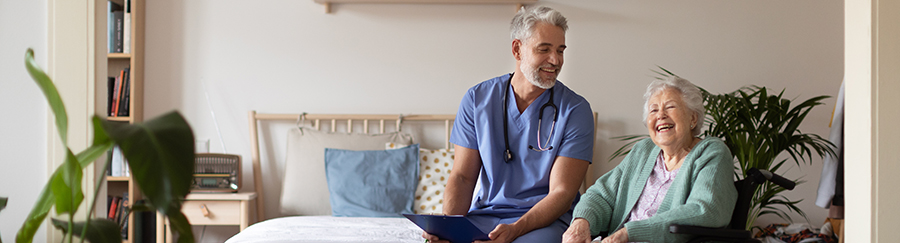
I encourage families to observe both truths straight. Visit assisted living at off-peak times. See how the building feels at 9 p.m. or 6 a.m. Ask how night staff deal with wanderers or insomnia. With home care, request a trial week at the hours that challenge you most, not just the simple midday block. If the stress points stay, change hours or abilities. Senior care is part art, part logistics.
Health requirements, security, and when way of life gives way to scientific realities
A care strategy begins with security. If roaming, frequent falls, or complex medical needs are present, way of life factors to consider still matter, but the guardrails get higher. Assisted living with memory care may be the right suitable for someone who tries to leave at night or forgets the stove. Staffed environments mitigate danger and can provide consistent hints, which reduces agitation.
Home can work even with moderate cognitive disability, offered you have sufficient hours and the best caregivers. Households frequently undervalue the variety of hours required to cover sundowning, nighttime restroom trips, and medication adherence. A practical plan may be 8 to 12 hours each day, more throughout shifts. For some, live-in care is possible, which keeps the environment familiar and regimens undamaged. The pivot point is cost and caregiver continuity.
Medical intricacy likewise tilts the scale. If your parent requires regular injections, oxygen management, or has unsteady blood sugar with hypoglycemic episodes, you desire a strategy that keeps skilled eyes on them. Some assisted living communities can not handle high acuity, while others can if you add private responsibility care. Home care can collaborate with home health nurses, and a senior caretaker can track signs and call early when something shifts. I have actually enjoyed caretakers catch subtle delirium from a urinary tract infection much faster than anyone due to the fact that they knew the client's standard humor.
The social material: neighbors, family, and energy levels
Isolation threatens for seniors. It wears down cognition and encourages depression. Assisted living provides baked-in social opportunities. Even introverts benefit from ambient contact, a quick hello on the way to get mail, a smile from staff. If your moms and dad has outlived many pals and the neighborhood has actually turned over, a neighborhood might restore their social world quickly.
Home can keep deep ties. Faith groups, neighbors, the barista who has actually understood them for many years, the garden club. Families often ignore how renewing a familiar walking route can be. In-home care can sustain these connections by supplying transport and companionship. I have actually seen caretaker notes with information like: rested on bench by elm tree, waved at Mrs. C, client smiled for very first time this week. You will not discover that on a medical chart, but it alters the week.
Energy patterns matter. Some seniors tire after a single group activity and need healing time. Others acquire energy from a busy calendar. Select the environment that matches their pacing. Activity overload can backfire, and inactivity can spiral.
Money, time, and practical trade-offs
Budgets form choices. Assisted living expenses differ by area, often beginning around several thousand dollars each month for space, board, and standard care. Higher care levels include costs. Home care is generally billed per hour. 4 hours daily at a modest rate ends up being a significant monthly figure, and 24-hour coverage is typically more pricey than assisted living. Yet home care scales. You can start small and include hours as needed. Assisted living needs a larger step up front, then costs rise with care needs.
Time is likewise a currency. If relative are spending ten hours a week balancing prescriptions, meal prep, and trips, adding a senior caregiver for even 6 hours can ease pressure and bring back household roles. I when worked with a child who took two nights a week off after years of doing whatever. The first week, he slept. The 2nd, he took his dad to a baseball game again due to the fact that he had the bandwidth to enjoy it. That is the point.
One caution: hidden costs exist in both settings. In the house, believe energies, home upkeep, and emergency situation repairs. In assisted living, inquire about add-ons like second-person transfers, insulin administration, or incontinence products. Get the full cost schedule in writing and map it out for six months and a year.
How animals, pastimes, and lifestyle impact results you can measure
This is not simply sentimental. Daily delights equate into measurable outcomes. People who care for something, even a plant or a pet, tend to move more. Movement preserves muscle, which decreases falls. Significant activity lowers agitation in dementia. Familiar routines cue consuming and hydration, which support high blood pressure and avoid hospitalizations. A senior who waters a tomato plant every early morning is standing, flexing, stretching, and most likely getting sunshine, which impacts state of mind and sleep.
In assisted living, constant mealtimes enhance nutritional intake, and social contact nudges individuals to drink a bit more water. Calendared movement activities like tai chi or chair aerobics preserve balance. For a widower who has not prepared in years, being served three meals is not only more secure but dignifying.
The better match keeps the person engaged with the least quantity of friction. That is the metric: very little friction, maximal adherence.
When the plan changes
Expect the plan to develop. The best families revisit every three to six months. Discomfort flares, knees offer, good friends move, grief settles, and choices shift. A cherished pet dog passes away and, all of a sudden, your home feels too quiet. Or, an assisted living resident discovers the art studio and 3 brand-new pals, and their child stops fretting about isolation.
Be all set to switch from part-time in-home care to live-in, or from assisted living to memory care, or even from a neighborhood back to home with 24-hour elderly home care after a hospitalization. Pride and regret have no place here. Utilize new info and re-optimize.
A compact side-by-side for choice clarity
Use this brief contrast to stimulate a concentrated discussion in the house. It is not extensive, however it keeps lifestyle front and center.
- Pets: Home care supports any animal with caregiver assistance and home adjustments. Assisted living may allow pets, often with limitations and unclear backup for everyday tasks.
- Hobbies: Home supports specialized or messy hobbies with customized support. Assisted living offers group activities and social clubs, less modification for niche projects.
- Routine: Home uses full flexibility. Assisted living supplies structure and predictability, with less space for distinctive schedules.
- Social life: Home preserves neighborhood and familiar circuits, supplemented by a senior caretaker for getaways. Assisted living embeds daily social contact and activities.
- Safety and health: Home needs sensible staffing and home safety upgrades. Assisted living standardizes security and can scale assistance, within policy limits.
Building the best plan, action by step
If you are still torn, try a practical experiment for two to 4 weeks. Add in-home care at the hours that are hardest, and clearly weave in family pets and pastimes. Have the caretaker prompt the dog walk, prep the knitting basket, or schedule piano time after lunch. Track falls, hunger, state of mind, and medication adherence.
Then, tour 2 assisted living communities with your moms and dad. Eat a meal there. Ask if your moms and dad can bring their family pet for a daytime visit to see how it feels. Demand to participate in an activity they would really choose. Listen for the little things: Does personnel usage homeowners' names? Are doors propped in ways that might tempt a wanderer? What takes place if Mom sleeps through breakfast?
If both options appear practical, let your moms and dad weigh in. Even with cognitive impairment, choices surface area. A hand on the pet's back, a smile in the workshop, or an ease in the dining room can tell you more than any checklist.
Working well with a home care service
If you select home, set your senior caregiver up for success. Clarity beats volume. Share a one-page short: family pet regimens, bathroom setup, preferred breakfast, music preferences, sets off to prevent, where extra towels are, and how to warm the bathroom before a shower. Add three goals for the month, not 10. For instance, keep weight within two pounds, stroll the pet two times daily on the south path, and total two watercolor sessions per week.
Ask the firm about connection. Fewer caregiver changes mean much better rhythm. Confirm that the caregiver is comfortable with family pets and any specific hobby assistance. If medication reminders are needed, make the pill organizer straightforward and noticeable. Welcome the caretaker to leave notes that include way of life information, not simply jobs: check out two chapters, laughed at radio show, watered fern.
Working well with an assisted living community
If you choose a neighborhood, personalize with objective. Bring the dog bed even if the animal is not permitted, due to the fact that the odor might comfort. Hang photos at eye level in the corridor and above the preferred chair. Establish a hobby corner, even if scaled down. Speak with the activity director about what your parent actually enjoys. If Dad utilized to teach woodshop, possibly he can lead an easy sanding demonstration utilizing soft materials. Homeowners like resident-led activities, and they develop identity.
Meet the care team with specifics, not simply detects. I as soon as coached a family to compose a "morning card" for staff: Mr. Alvarez wakes gradually, likes baseball, prefers coffee before discussion, uses humor when anxious. That card reduced friction more than any medication change.
Check on the family pet question repeatedly if relevant. Policies can evolve, and exceptions often exist, specifically for low-care animals like fish or a little bird. If pets are out of the question, think about regular family pet treatment visits. They are not the very same, but they help.
Edge cases where the response is clearer than it seems
Two situations turn up often.
First, the fiercely independent animal individual whose big dog is aging too. Keeping both in your home might be the best choice, however only if fall dangers are well managed. Install gates, designate a dog-free zone around the stair landing, and schedule a midday pet dog walker through the home care firm so your parent is not taken down the sidewalk. Reassess when the canine's needs exceed your capability to keep everyone safe.
Second, the gregarious moms and dad who has constantly hosted. After a partner dies, your house goes peaceful and the cooking dwindles. Buddies become drivers, not guests. That parent might grow in assisted living, where they can "host" at their table without logistics, and take pleasure in day-to-day activity without reliance. Animals can still visit through family.
The human bottom line
Whether you select senior care at home or assisted living, your north star is a day that feels worth getting up for. Family pets, pastimes, and lifestyle are not bonus to be squeezed in after the tablets, they are part of the medication. They affect how care is accepted and how the brain and body respond. When you build around them, the technical parts of care typically end up being easier.
If you are on the fence, test. Small pilots tell the reality. If home care lifts appetite and state of mind while keeping the feline purring at the foot of the bed, keep developing there. If your parent shines after lunch in a hectic dining-room and can lastly sleep without worry, lean towards assisted living. The best answer is the one that reliably delivers great days, with room to adapt as requirements change.
FootPrints Home Care is a Home Care Agency
FootPrints Home Care provides In-Home Care Services
FootPrints Home Care serves Seniors and Adults Requiring Assistance
FootPrints Home Care offers Companionship Care
FootPrints Home Care offers Personal Care Support
FootPrints Home Care provides In-Home Alzheimer’s and Dementia Care
FootPrints Home Care focuses on Maintaining Client Independence at Home
FootPrints Home Care employs Professional Caregivers
FootPrints Home Care operates in Albuquerque, NM
FootPrints Home Care prioritizes Customized Care Plans for Each Client
FootPrints Home Care provides 24-Hour In-Home Support
FootPrints Home Care assists with Activities of Daily Living (ADLs)
FootPrints Home Care supports Medication Reminders and Monitoring
FootPrints Home Care delivers Respite Care for Family Caregivers
FootPrints Home Care ensures Safety and Comfort Within the Home
FootPrints Home Care coordinates with Family Members and Healthcare Providers
FootPrints Home Care offers Housekeeping and Homemaker Services
FootPrints Home Care specializes in Non-Medical Care for Aging Adults
FootPrints Home Care maintains Flexible Scheduling and Care Plan Options
FootPrints Home Care is guided by Faith-Based Principles of Compassion and Service
FootPrints Home Care has a phone number of (505) 828-3918
FootPrints Home Care has an address of 4811 Hardware Dr NE d1, Albuquerque, NM 87109
FootPrints Home Care has a website https://footprintshomecare.com/
FootPrints Home Care has Google Maps listing https://maps.app.goo.gl/QobiEduAt9WFiA4e6
FootPrints Home Care has Facebook page https://www.facebook.com/FootPrintsHomeCare/
FootPrints Home Care has Instagram https://www.instagram.com/footprintshomecare/
FootPrints Home Care has LinkedIn https://www.linkedin.com/company/footprints-home-care
FootPrints Home Care won Top Work Places 2023-2024
FootPrints Home Care earned Best of Home Care 2025
FootPrints Home Care won Best Places to Work 2019
People Also Ask about FootPrints Home Care
What services does FootPrints Home Care provide?
FootPrints Home Care offers non-medical, in-home support for seniors and adults who wish to remain independent at home. Services include companionship, personal care, mobility assistance, housekeeping, meal preparation, respite care, dementia care, and help with activities of daily living (ADLs). Care plans are personalized to match each client’s needs, preferences, and daily routines.
How does FootPrints Home Care create personalized care plans?
Each care plan begins with a free in-home assessment, where FootPrints Home Care evaluates the client’s physical needs, home environment, routines, and family goals. From there, a customized plan is created covering daily tasks, safety considerations, caregiver scheduling, and long-term wellness needs. Plans are reviewed regularly and adjusted as care needs change.
Are your caregivers trained and background-checked?
Yes. All FootPrints Home Care caregivers undergo extensive background checks, reference verification, and professional screening before being hired. Caregivers are trained in senior support, dementia care techniques, communication, safety practices, and hands-on care. Ongoing training ensures that clients receive safe, compassionate, and professional support.
Can FootPrints Home Care provide care for clients with Alzheimer’s or dementia?
Absolutely. FootPrints Home Care offers specialized Alzheimer’s and dementia care designed to support cognitive changes, reduce anxiety, maintain routines, and create a safe home environment. Caregivers are trained in memory-care best practices, redirection techniques, communication strategies, and behavior support.
What areas does FootPrints Home Care serve?
FootPrints Home Care proudly serves Albuquerque New Mexico and surrounding communities, offering dependable, local in-home care to seniors and adults in need of extra daily support. If you’re unsure whether your home is within the service area, FootPrints Home Care can confirm coverage and help arrange the right care solution.
Where is FootPrints Home Care located?
FootPrints Home Care is conveniently located at 4811 Hardware Dr NE d1, Albuquerque, NM 87109. You can easily find directions on Google Maps or call at (505) 828-3918 24-hoursa day, Monday through Sunday
How can I contact FootPrints Home Care?
You can contact FootPrints Home Care by phone at: (505) 828-3918, visit their website at https://footprintshomecare.com, or connect on social media via Facebook, Instagram & LinkedIn
A visit to the ABQ BioPark Botanic Garden offers a peaceful, gentle outing full of nature and fresh air — ideal for older adults and seniors under home care.