Senior Care Preparation: Choosing Between In-Home Care and Assisted Living
Business Name: FootPrints Home Care
Address: 4811 Hardware Dr NE d1, Albuquerque, NM 87109
Phone: (505) 828-3918
FootPrints Home Care
FootPrints Home Care offers in-home senior care including assistance with activities of daily living, meal preparation and light housekeeping, companion care and more. We offer a no-charge in-home assessment to design care for the client to age in place. FootPrints offers senior home care in the greater Albuquerque region as well as the Santa Fe/Los Alamos area.
4811 Hardware Dr NE d1, Albuquerque, NM 87109
Business Hours
Families seldom prepare these choices in a calm minute. Regularly, a fall in the bathroom or a healthcare facility discharge letter requires the discussion. Suddenly everybody is asking the exact same concerns: Can Mom remain at home securely? Would assisted living deal more stability? How much will this cost, and who helps with the spaces in between? I have actually sat at kitchen tables with adult kids balancing work, regret, and spreadsheets, and I have actually strolled the halls of assisted living neighborhoods with seniors who were eased to quit the ladder they used to alter lightbulbs. There isn't a one-size answer. There is a process that balances health, safety, dignity, and budget plan with what makes a day seem like a day worth living.
This guide sets out how to compare at home senior care and assisted living in useful terms, with real trade-offs. It is composed for caregivers and older grownups who desire straight talk, concrete details, and a way to move forward.
What changes initially: tasks, timing, or safety?
Care needs normally grow along 3 measurements. The very first is jobs, like bathing, dressing, meal prep, and house cleaning. The 2nd is timing, how frequently those jobs are needed and whether help is needed at predictable times or round the clock. The 3rd is security, for example roaming with dementia, bad balance, or medication mismanagement.
A retired nurse I dealt with stayed independent for many years with a couple of hours of help 3 early mornings a week. Her needs were task-focused and predictable. Contrast that with a next-door neighbor who developed Parkinson's with nighttime tightness and frequent falls. His needs were about timing and security. Knowing which dimension is altering for your family member helps you pick in between a home care service and an assisted living neighborhood, and it keeps you from overbuying or underbuying support.
What in-home care truly looks like
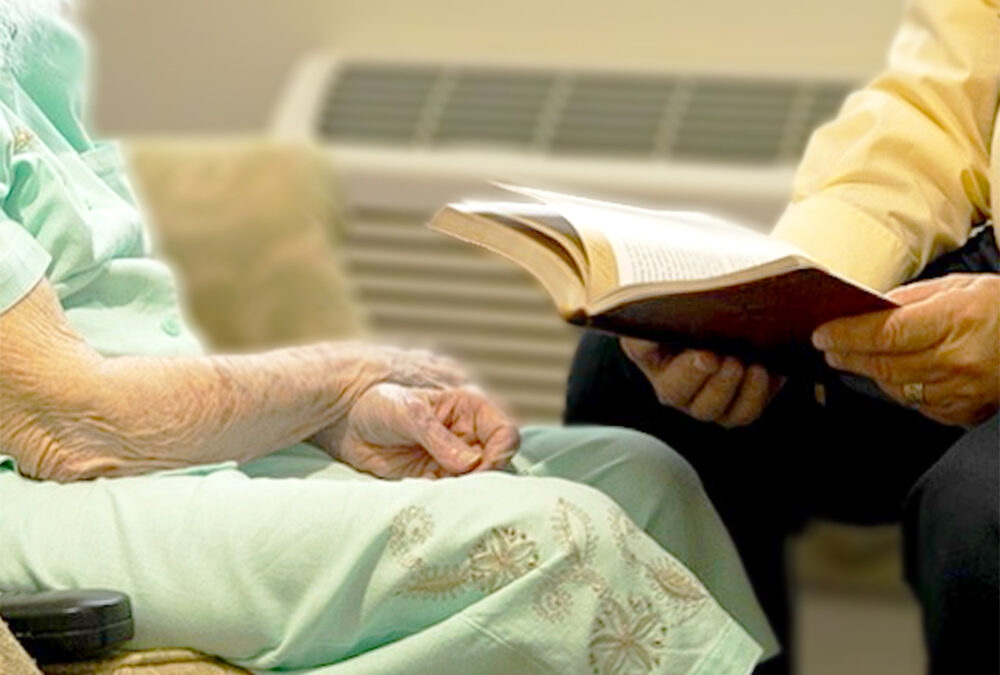
In-home care, sometimes called senior home care or elderly home care, brings a senior caretaker into the home to assist with activities of daily living and family tasks. Agencies generally offer a minimum shift length, typically three to four hours, and schedule visits anywhere from as soon as a week to 24/7 coverage. Private caretakers worked with directly can be more versatile however need you to manage payroll, taxes, and backup coverage.
The greatest advantage of in-home care is control. You keep your regimens, furnishings, canine, and next-door neighbors. If early mornings are difficult but afternoons are great, you schedule assistance in the morning. If your dad loves his own kitchen area, he can keep using it, with an additional pair of hands nearby. Household caregivers can take part more quickly, and your house ends up being a main office with a turning cast of professional assistance. For numerous, this preserves identity and autonomy far better than any community setting.
The limits of in-home care generally appear in two places. The very first is fragmentation. You can have a terrific senior caregiver from Monday to Friday, then a stranger on weekends. Even with a reliable agency, staff changes take place, and connection takes effort. The second limitation is supervision. Unless you pay for live-in or 24-hour care, there will be hours when your relative is alone. If somebody has actually advanced dementia, significant wandering, or regular nighttime requirements, those spaces can end up being dangerous or extremely costly to cover.
One more practical detail: home facilities matters. Stairs, a narrow bathroom entrance, or a clawfoot tub can turn an easy bath into a two-person transfer. A few thousand dollars in home adjustments can extend the practicality of senior home care by years, but you require to evaluate the layout before you commit.
What assisted living in fact provides
Assisted living neighborhoods provide personal apartment or condos with shared dining, house cleaning, transportation, and on-site staff who can help with bathing, dressing, and medication. Residents pay a base lease plus a care level cost that increases with need. Activities calendars, common meals, and integrated social chances become part of the appeal. A nurse normally supervises care strategies, and caregivers are on-site 24/7.
The major strength of assisted living is protection. If your mother requires aid at 2 a.m. to get to the bathroom, somebody is there. If meds modification after a health center visit, the community's nurse can collaborate with the drug store. Member of the family do not need to schedule or monitor every shift. When care requires vary, the community changes staffing without you rushing to arrange more hours of in-home senior care.
The trade-offs are real. You trade your home for a smaller house. You accept that meals occur on a schedule and bingo may be louder than you 'd choose. For older grownups who flourish on familiar environments and privacy, this can seem like a loss. And while communities assure aging in place, some residents ultimately transition to memory care or experienced nursing when needs surpass what assisted living can safely deliver.
The costs that matter, not simply the ones on the brochure
Families typically compare regular monthly lease at a community with a per hour rate for home care and stop there. That misses out on crucial variables.
In-home care costs are simple on paper: multiply hours each week by the hourly rate. Company rates vary extensively by region, frequently 28 to 45 dollars per hour for nonmedical care. But you must include the covert line products you currently pay to live in the house: real estate tax, house owner's insurance coverage, energies, landscaping, snow elimination, home repair work, and groceries. If a caretaker does meal prep you still pay for the food. If you require over night coverage, costs climb quickly. A typical threshold: when you need 40 to 60 hours of assistance each week, assisted living starts to match or undercut the cost of home care in lots of markets.
Assisted living prices bundles housing, meals, utilities, housekeeping, and some transport. The base lease often looks workable, then a care package includes several hundred to several thousand dollars monthly. Medication management can be a line product. Two-person transfers are typically a higher tier. Request for the complete rate sheet, then design realistic scenarios.
Funding sources vary. Long-term care insurance typically reimburses both settings once the policy's removal period and benefit triggers are fulfilled. Veterans might get approved for Aid and Attendance. Medicaid might fund some in-home care through waiver programs and might cover assisted living in specific states, though availability and waitlists differ. Medicare does not cover nonmedical home care or assisted living; it covers short-term proficient services and rehab.
Safety, dignity, and how both show up in day-to-day routines
Safety is not simply the absence of falls. It is taking medications properly, heating leftovers without beginning a fire, and answering the door to the ideal person. Dignity is not just personal privacy. It is wearing the clothing you desire, in the order you like, and having time to lace your shoes even if that takes 15 minutes.
In-home care can stand out at tailoring routines. A senior caretaker who understands your mother's morning routine can rate the assistance so it seems like partnership, not intrusion. On the other hand, if caretakers turn often, trust takes longer to build. Assisted living offers predictability and backup. If a favorite aide is off, another person actions in. But schedules can become institutional. A resident might be told showers are readily available on particular days at certain times. For some, that feels like flexibility with a safety net; for others, like the disintegration of voice.
One dry run I use is to stroll through a typical 24 hours. Who is there for toileting at night? Who prepares breakfast, and when? Who manages medications at twelve noon if a member of the family can't exist? What occurs if the routine caregiver calls out? In an assisted living setting, who escorts to meals during a urinary tract infection when confusion spikes? The more exact your answers, the better your fit.
The home itself: keep, modify, or leave?
A single-story home with a walk-in shower, grabbable doorframes, and great lighting is a gift to in-home care. A split-level with high steps to the bed rooms, a tiny bathroom with a pedestal sink, and laundry in the basement is an everyday risk. Minor modifications, like a handheld showerhead, raised toilet seat, get bars, motion-sensor nightlights, and getting rid of loose rugs, can be done within a week. Major changes, like broadening doorways for a wheelchair, adding a ramp, or transforming a tub to a roll-in shower, take longer and cost more, but they can change viability.
I remember one couple who loved their old farmhouse. The bathroom was upstairs. Stairs became the reason assisted living went from theoretical to urgent. They resisted till a home professional created a compact full bath in the dining room's kitchen footprint. Costly, yes, however it purchased them 3 more years at home with modest home care support. Those were excellent years for them. The ideal answer wasn't cheaper or more modern. It was anchored in what they valued.
The caregiver's bandwidth and the concealed mathematics of burnout
Family caretakers are the hidden backbone of senior care. Their energy is finite. The best plan acknowledges that. If you lean on a child who lives 18 minutes away to handle meds twice daily, that is 36 minutes round-trip plus 10 minutes within, times 2 check outs, times 7 days. You've designated her 7 to 10 hours a week before any doctor sees, shopping, or the inescapable "Mom can't find her listening devices" hunt.
Burnout doesn't appear over night. It shows up as postponed dentist visits for the caretaker, irritability, and missed out on gatherings. If you select in-home care, purchase enough hours to safeguard the caregiver's bandwidth. If you choose assisted living, don't assume the community replaces family. Budget time for check outs, advocacy, and transporting favorite sweatshirts back and forth after laundry day. Either course works better when the household function is sustainable.
Dementia changes the choice rules
Early-stage dementia frequently fits well with at home senior care. The individual is calmer in your home, regimens recognize, and you can cue discreetly without embarrassment. As amnesia progresses, safety concerns rise. Roaming, sundowning, poor judgment at the range, and resistance to bathing are common. At this phase, assisted living with a memory care unit or a protected memory care community may supply the structure and stimulus that keep someone safer and less distressed.
One family I worked with kept their father at home by setting up door alarms, working with afternoon home care service for four hours daily, and registering him in adult day programs 3 days a week. That mix worked for 18 months. When he began leaving the house during the night, the calculus altered. Overnight care at home would have cost more than a memory care neighborhood while still leaving spaces when the night caretaker called out sick. Moving him was hard, but the nighttime stress and anxiety eased when there was a wander-proof courtyard and personnel awake at 3 a.m.
Health intricacy and the slope of need
Chronic conditions behave in a different way. Heart failure surges and recedes. COPD includes unpredictability around breathing infections. Diabetes requires consistency. Parkinson's modifications body mechanics and timing. An individual with 2 or three moderate conditions might succeed in assisted living where nurses can keep track of weight, oxygen, or blood sugars and loop in the primary care supplier. Somebody with a single, steady limitation, like movement challenges after a hip replacement, may thrive with in-home care plus physical treatment and simple equipment.
Ask yourself whether the next 12 months are likely to be steady, wavy, or downhill. Steady favors home. Wavy favors settings with fast changes. Downhill, particularly with multiple medications and fall threat, often favors assisted living or a minimum of a strategy that can pivot quickly.
Culture, character, and the social equation
I have actually fulfilled senior citizens who bloom in assisted living, attending poetry group, walking club, and patio area chatter hour. I've likewise met artisans and introverts who prefer their workshop, their garden, and individually conversation. In-home care lets the social calendar be customized. Assisted living develops ambient contact, even for those who believe they don't desire it. Both can combat seclusion, but they do it differently.
Food is another cultural anchor. If Friday fish fry or homemade pho matters, in-home care keeps control of the kitchen. Some home care neighborhoods now offer more varied menus and can honor dietary traditions; others still lean on institutional staples. Tour the dining-room at mealtime. Taste the food. Listen to the clatter and chatter, and photo your family member there.
What a good firm and a good community have in common
Quality differs commonly. A strong home care agency does more than dispatch bodies. You must anticipate a care plan, caregiver-client matching, supervision, communication with household, and consistency in who shows up. They need to carry liability insurance coverage and employees' compensation, handle background checks, and provide training in dementia care and safe transfers. If the firm can't discuss how they cover last-minute call-outs, keep looking.

A well-run assisted living community reveals its quality in the hallways and in its documentation. Staffing ratios need to be transparent. Personnel should greet residents by name. Call lights ought to be answered immediately. The administrator and nurse should want to discuss how they handle falls, how medication mistakes are tracked, and how they adjust care levels. Ask for recent state evaluation reports. Stand quietly by the dining room door for 5 minutes. You will learn more by seeing than by any brochure.
A simple pathway to a decision
Use this five-step series to bring order to the process.

- Define the top 3 risks. Specify: nocturnal falls, missed insulin, solitude. If you can't name them, you can't resolve them.
- Map the 24-hour day. Determine when aid is needed and when it isn't. Consist of weekends.
- Price 2 realistic situations. For home: hourly rate times actual hours, plus groceries and home expenses. For assisted living: base rent plus the most likely care tier and medication management.
- Stress-test the plan. What if needs increase by 25 percent? What if the primary family caretaker is out for 2 weeks?
- Pilot for one month. Attempt in-home care for the hours you think you require, or set up a respite remain in assisted living if readily available. Use data, not guesses.
This method won't eliminate emotion from the decision, but it changes hand-wringing with clear trade-offs.
The edge cases individuals forget
Short-term recovery after hospitalization is a special case. Medicare might cover experienced home health sees for nursing or treatment, but it does not offer hands-on assist with bathing or cooking. Households sometimes presume "home health" means a senior caregiver will be there daily. It doesn't. If your parent is being discharged, ask the medical facility case supervisor to clarify what's covered and what isn't, then layer private home care for the nonmedical gaps.
Couples with mismatched needs are another typical puzzle. One partner is independent, the other requirements aid with the majority of activities of daily living. In-home care lets the independent partner stay at home while bringing assistance to the other. However it can likewise turn the home into a work environment with a steady stream of caregivers. Assisted living can alleviate pressure on the caregiving spouse, yet the independent partner might feel restricted. Some neighborhoods use two-bedroom units or allow one partner to enroll in a low care tier while the other has a higher tier. Visit together and see how it feels.
Pets matter more than you think. A precious pet can encourage strolls and provide companionship, however family pets likewise introduce fall risk and care obligations. Lots of assisted living communities are pet-friendly with size limits and a prepare for backup care. If staying home, guarantee the senior caregiver is comfortable with animal duties and that leashes, bowls, and toys aren't journey hazards.
Finding a rhythm that lasts
Once you select a path, treat the first month as a shakedown cruise. In-home care schedules typically need modification. A three-hour early morning shift might be much better split into two much shorter sees if the company permits it. The very same chooses assisted living. Speak up about shower times, laundry choices, and how medications are administered. The best providers welcome this input, and little tweaks enhance quality of life.
Keep a one-page summary of vital info: diagnoses, medications, baseline mobility, who to call, and leading preferences. Share it with the home care group or the assisted living nurse. Review it quarterly, or after any hospitalization. If something feels off, don't wait. Small concerns rarely remain small in senior care.
When the response is both
The binary choice is frequently false. Hybrids prevail and useful. Families frequently begin with in-home care at 6 to 12 hours a week, include adult day programs two days a week, then re-evaluate at six months. Others transfer to assisted living and still employ a private senior caretaker for one-on-one friendship, mobility assistance, or language-specific social time. The goal is not commitment to a design, but fit to a person.
One boy I worked with structured his mom's week like a patchwork quilt. Monday, Wednesday, Friday, a caregiver was available in the morning for bathing and transport to physical treatment. Tuesday and Thursday she went to a senior center with Vietnamese lunch and karaoke. Weekends were family time, with groceries provided Saturday early morning so no one needed to push a cart. It worked because each piece had a purpose, and the kid kept an eye on indications of strain.
Red flags that indicate it is time to switch
Plans age. Look for these signs that your existing technique is no longer safe or humane: frequent ER visits for falls or dehydration, medication mistakes regardless of systems in place, caretakers reporting intensifying agitation or aggression, weight reduction due to missed meals, or a household caregiver missing out on work repeatedly. In assisted living, warnings consist of unanswered call bells, bruises without explanation, abrupt personnel turnover, or a resident who separates since they feel over-scheduled or under-supported. Switching paths is not failure. It is stewardship.
A word on emotion, legacy, and timing
Homes hold stories. Neighborhoods hold rhythms that can revive them. The right time to move is hardly ever apparent. Some wait too long, and the move happens throughout crisis. Others move early and miss years of a well-supported life in your home. If you can, construct a runway. Tour communities before you require them. Meet with a home care service director before a healthcare facility discharge. If the older grownup can weigh in, record their preferences in composing. Autonomy grounded in preparation carries more dignity than autonomy protected at the last minute.
Bringing it all together
You are comparing 2 ways to resolve the exact same problems: security, support, connection, and significance. In-home care protects environment and individual rhythm, with costs that scale by the hour and a dependence on family coordination. Assisted living offers a safety net and 24/7 reaction, at the rate of scaling down and shared schedules. Neither is right for everyone, and both can be right at various times for the exact same person.
Start with the day, not the label. What help is required, when, and by whom? Put numbers to it. Evaluate a variation. Change. The goal is a life that still seems like yours, supported by specialists who appreciate the person at the center. When you hold that requirement, the decision gets clearer, and the path, whichever you select, becomes less about loss and more about living well with the aid that fits.
FootPrints Home Care is a Home Care Agency
FootPrints Home Care provides In-Home Care Services
FootPrints Home Care serves Seniors and Adults Requiring Assistance
FootPrints Home Care offers Companionship Care
FootPrints Home Care offers Personal Care Support
FootPrints Home Care provides In-Home Alzheimer’s and Dementia Care
FootPrints Home Care focuses on Maintaining Client Independence at Home
FootPrints Home Care employs Professional Caregivers
FootPrints Home Care operates in Albuquerque, NM
FootPrints Home Care prioritizes Customized Care Plans for Each Client
FootPrints Home Care provides 24-Hour In-Home Support
FootPrints Home Care assists with Activities of Daily Living (ADLs)
FootPrints Home Care supports Medication Reminders and Monitoring
FootPrints Home Care delivers Respite Care for Family Caregivers
FootPrints Home Care ensures Safety and Comfort Within the Home
FootPrints Home Care coordinates with Family Members and Healthcare Providers
FootPrints Home Care offers Housekeeping and Homemaker Services
FootPrints Home Care specializes in Non-Medical Care for Aging Adults
FootPrints Home Care maintains Flexible Scheduling and Care Plan Options
FootPrints Home Care is guided by Faith-Based Principles of Compassion and Service
FootPrints Home Care has a phone number of (505) 828-3918
FootPrints Home Care has an address of 4811 Hardware Dr NE d1, Albuquerque, NM 87109
FootPrints Home Care has a website https://footprintshomecare.com/
FootPrints Home Care has Google Maps listing https://maps.app.goo.gl/QobiEduAt9WFiA4e6
FootPrints Home Care has Facebook page https://www.facebook.com/FootPrintsHomeCare/
FootPrints Home Care has Instagram https://www.instagram.com/footprintshomecare/
FootPrints Home Care has LinkedIn https://www.linkedin.com/company/footprints-home-care
FootPrints Home Care won Top Work Places 2023-2024
FootPrints Home Care earned Best of Home Care 2025
FootPrints Home Care won Best Places to Work 2019
People Also Ask about FootPrints Home Care
What services does FootPrints Home Care provide?
FootPrints Home Care offers non-medical, in-home support for seniors and adults who wish to remain independent at home. Services include companionship, personal care, mobility assistance, housekeeping, meal preparation, respite care, dementia care, and help with activities of daily living (ADLs). Care plans are personalized to match each client’s needs, preferences, and daily routines.
How does FootPrints Home Care create personalized care plans?
Each care plan begins with a free in-home assessment, where FootPrints Home Care evaluates the client’s physical needs, home environment, routines, and family goals. From there, a customized plan is created covering daily tasks, safety considerations, caregiver scheduling, and long-term wellness needs. Plans are reviewed regularly and adjusted as care needs change.
Are your caregivers trained and background-checked?
Yes. All FootPrints Home Care caregivers undergo extensive background checks, reference verification, and professional screening before being hired. Caregivers are trained in senior support, dementia care techniques, communication, safety practices, and hands-on care. Ongoing training ensures that clients receive safe, compassionate, and professional support.
Can FootPrints Home Care provide care for clients with Alzheimer’s or dementia?
Absolutely. FootPrints Home Care offers specialized Alzheimer’s and dementia care designed to support cognitive changes, reduce anxiety, maintain routines, and create a safe home environment. Caregivers are trained in memory-care best practices, redirection techniques, communication strategies, and behavior support.
What areas does FootPrints Home Care serve?
FootPrints Home Care proudly serves Albuquerque New Mexico and surrounding communities, offering dependable, local in-home care to seniors and adults in need of extra daily support. If you’re unsure whether your home is within the service area, FootPrints Home Care can confirm coverage and help arrange the right care solution.
Where is FootPrints Home Care located?
FootPrints Home Care is conveniently located at 4811 Hardware Dr NE d1, Albuquerque, NM 87109. You can easily find directions on Google Maps or call at (505) 828-3918 24-hoursa day, Monday through Sunday
How can I contact FootPrints Home Care?
You can contact FootPrints Home Care by phone at: (505) 828-3918, visit their website at https://footprintshomecare.com, or connect on social media via Facebook, Instagram & LinkedIn
Antiquity Restaurant provides a warm, accessible dining experience — perfect for a comforting night out even while receiving in-home care or assisted support.